
Breeds
-
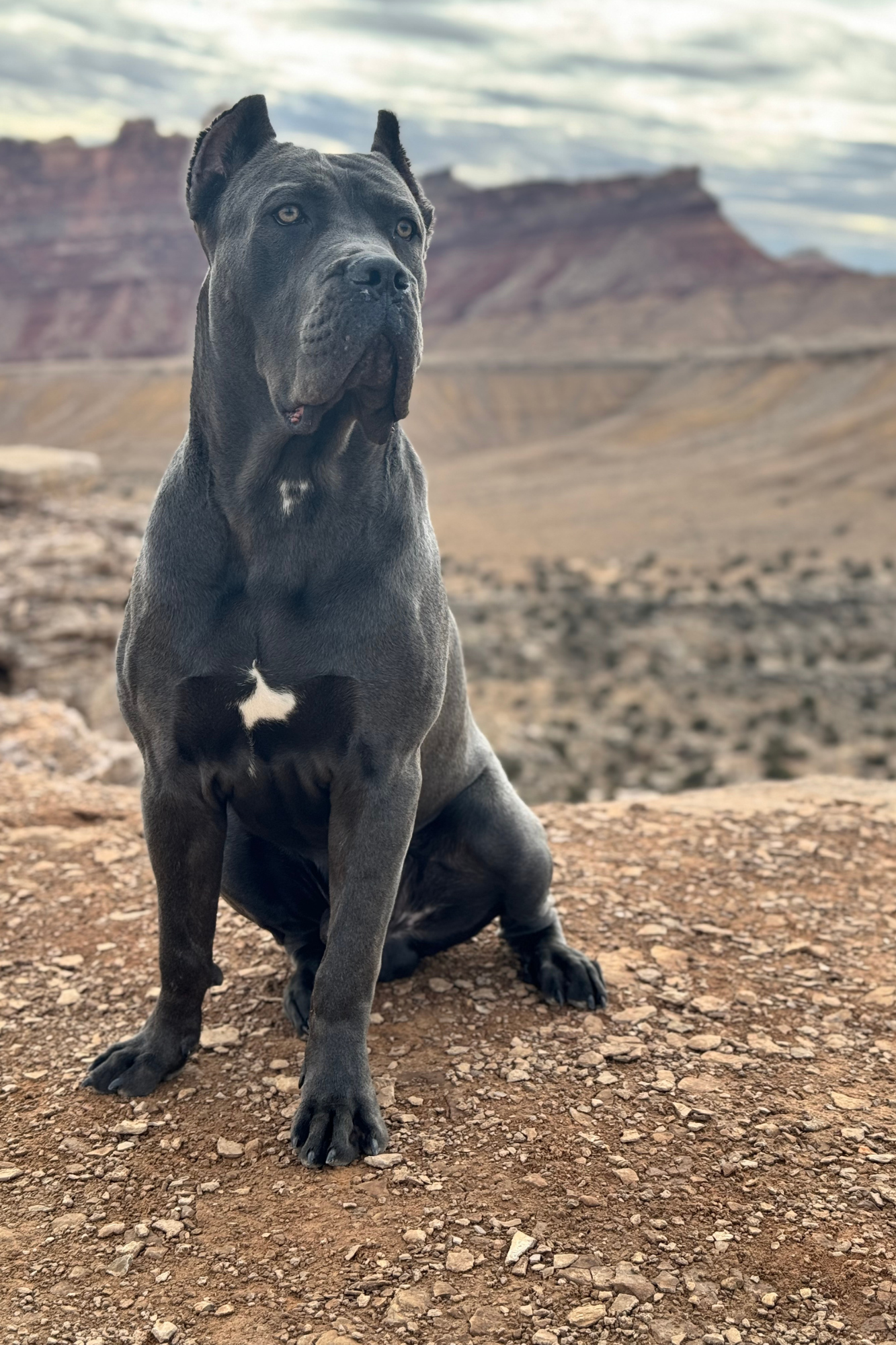
Cane Corso
History: Ancient Italian mastiff descending from Roman war and estate-guardian dogs, revived in the late 1900s.
Temperament: Powerful, loyal, territorial, and deeply bonded to family.
Training & Use
Personal Protection: Early socialization and advanced obedience are critical before any protection work. When correctly trained, they excel as family guardians with strong presence and calm defense.
Property Protection: Ideal for visible deterrence and perimeter alerting; trained for boundary respect and recall.
Livestock Protection: Not a true livestock-guardian dog (LGD); may deter predators on small holdings but lacks the flock-bonding instinct of traditional LGDs.
-
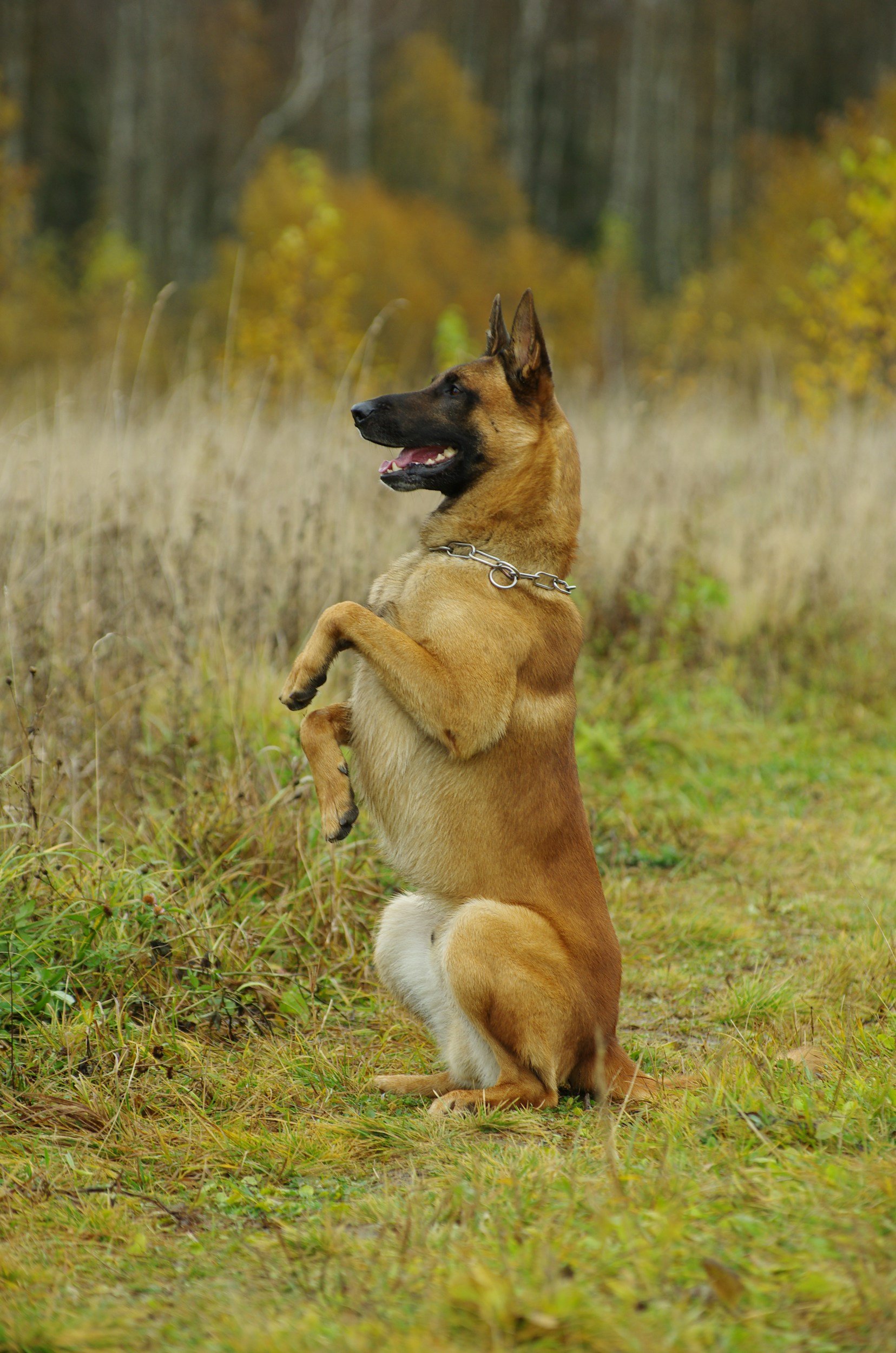
Belgian Malinois
History: One of four Belgian Shepherd types from Mechelen; developed for herding, now the premier global police/military K9.
Temperament: Extremely high drive, agile, task-focused.
Training & Use
Personal Protection: Structured obedience → controlled drive/bite development → scenario training; thrives on daily work.
Property Protection: Excellent for active patrol, detection, and controlled engagement; requires mental and physical outlets.
Livestock Protection: More of a herder than guardian; may help move or watch stock under handler supervision.
-
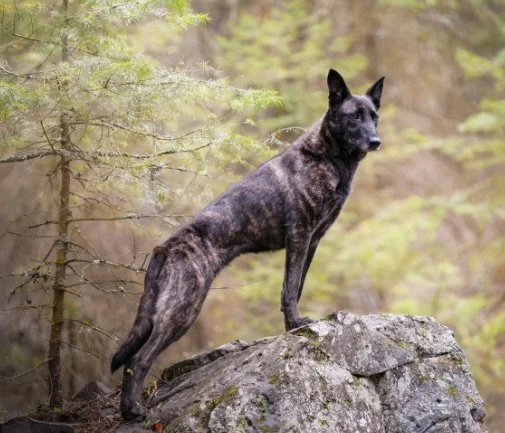
Dutch Shepard
History: Versatile herding and farm dog from the Netherlands, later adopted by police and sport handlers.
Temperament: Balanced, intelligent, high stamina.
Training & Use
Personal Protection: Trained similarly to Belgian Mals—obedience and control before protection phases.
Property Protection: Effective at patrol/alert work; adaptable to home and acreage.
Livestock Protection: Traditionally a herder—moves livestock on cue, not a flock-guardian.
-
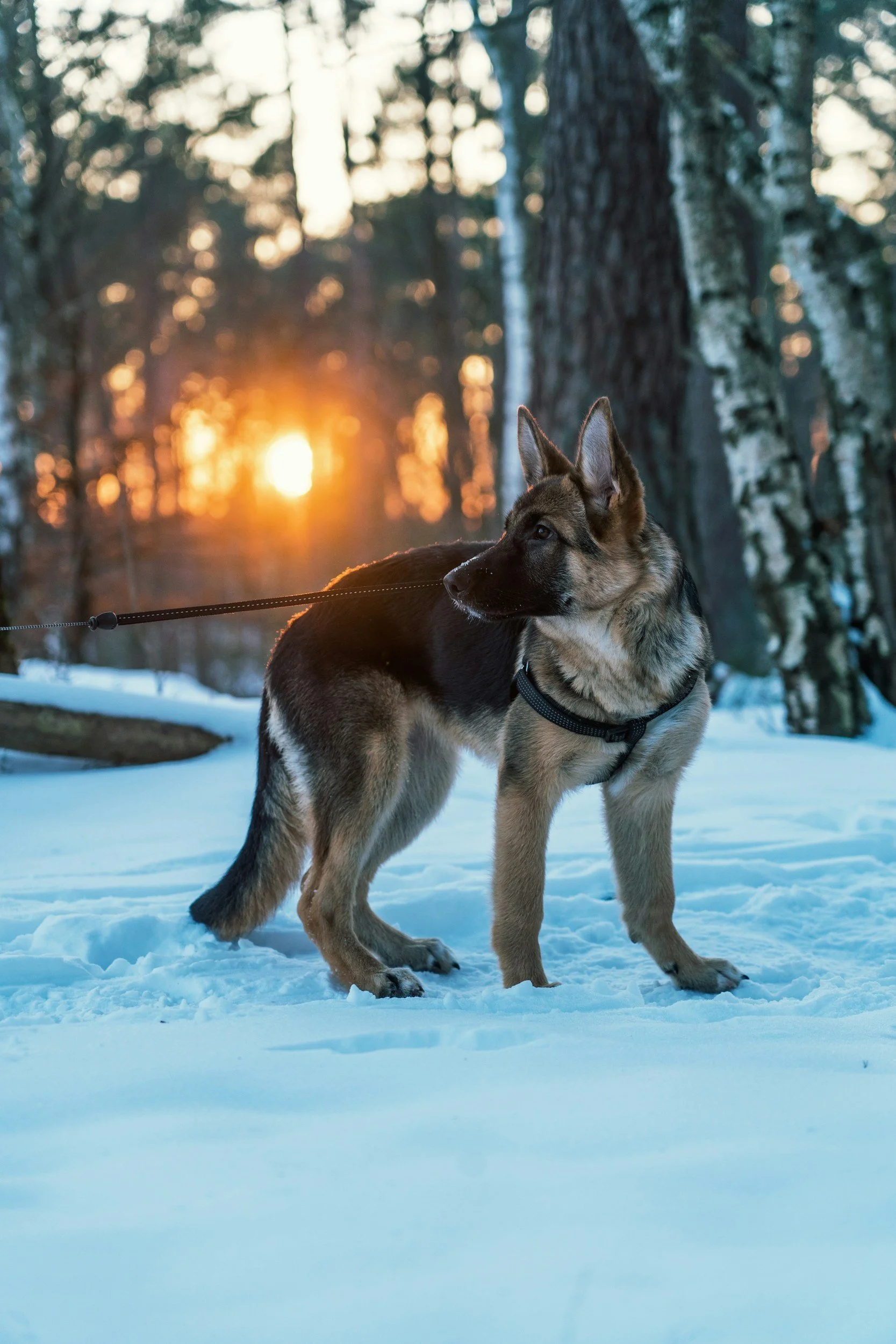
German Shepard
History: Developed in late-19th-century Germany by Max von Stephanitz to unite regional herding dogs; became the archetypal working breed.
Temperament: Intelligent, courageous, and loyal.
Training & Use
Personal Protection: Foundation obedience, then progressive protection-sport or real-world drills emphasizing control under stress.
Property Protection: Common for household or security-firm use—alert, track, and guard on command.
Livestock Protection: True herding style rather than independent guarding.
-
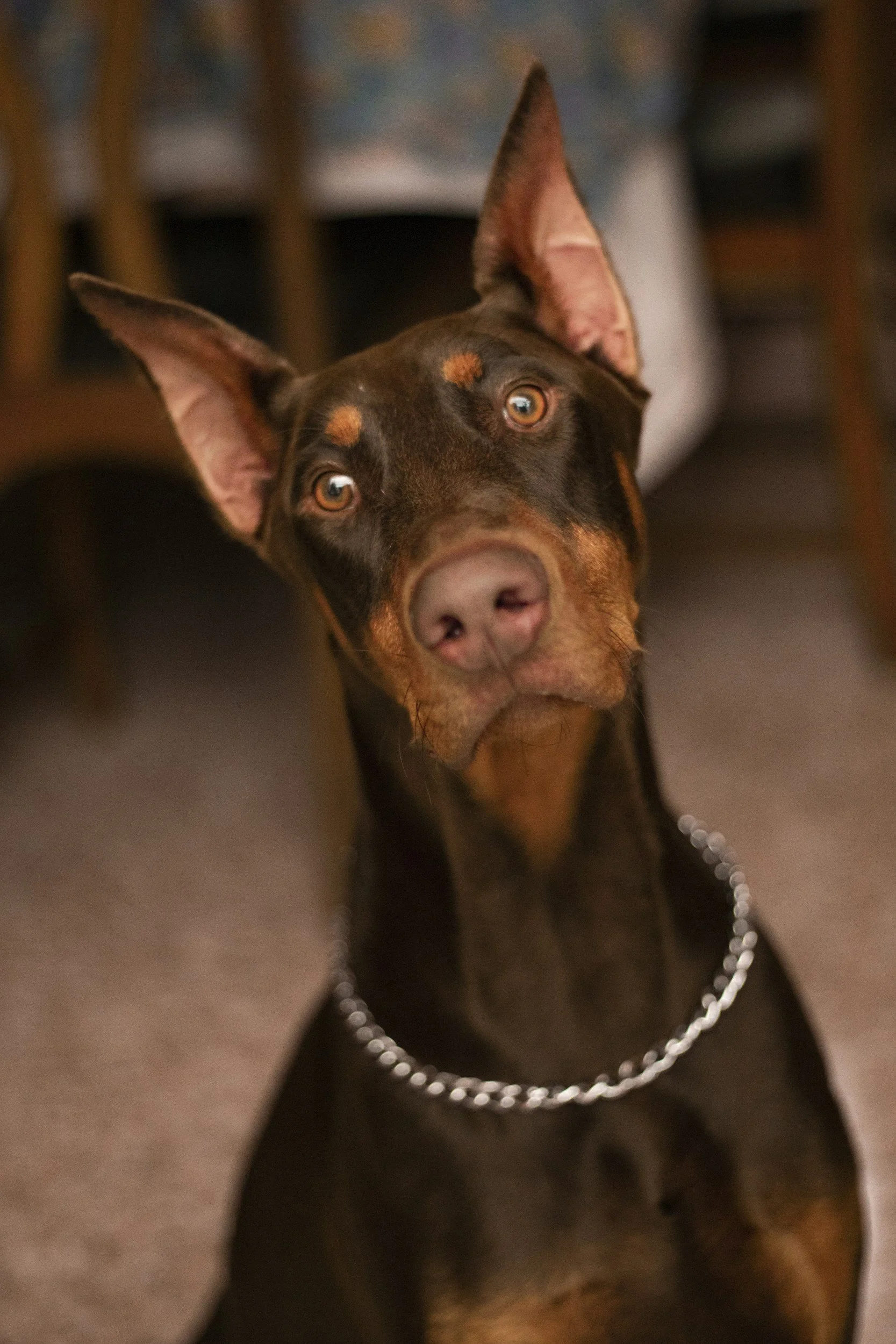
Doberman Pinscher
History: Created by Karl F. L. Dobermann (1890s Germany) for protection while tax collecting; refined for speed and obedience.
Temperament: Alert, affectionate, highly trainable.
Training & Use
Personal Protection: Classic choice—train for precise obedience, social stability, and controlled defensive response.
Property Protection: Quick, athletic perimeter guardian.
Livestock Protection: Rarely used; works best in human-directed security contexts.
-
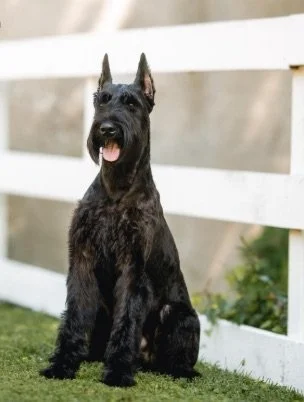
Schnauzer
History: Originated in Bavaria and Württemberg (Germany) as a larger variant of the Standard Schnauzer; used for cattle driving, guarding breweries, and military work.
Temperament: Strong-willed, intelligent, confident, loyal, naturally protective.
Training & Use
Personal Protection: Excellent potential with firm, fair handling. Trained via obedience, impulse-control drills, and progressive protection work. Needs confident handler and consistency.
Property Protection: Historically bred to guard yards, stables, and warehouses—intimidating appearance, deep bark, and territorial instincts make them superb perimeter guardians when well trained.
Livestock Protection: Traditionally a drover, not an independent guardian—adept at moving cattle and deterring threats under supervision but not suited to unsupervised flock guarding
-
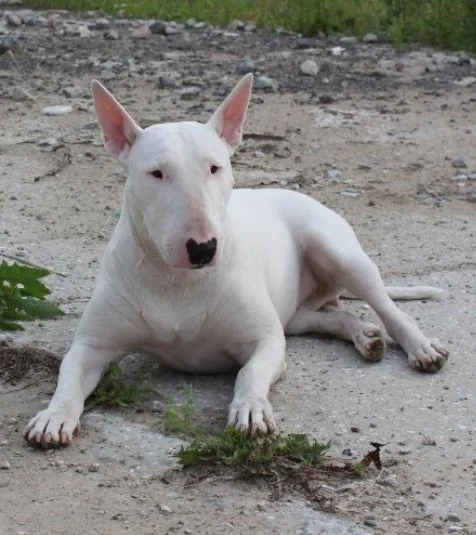
Bull Terrier
History:
Developed in 19th-century England by crossing Bulldogs with now-extinct White English Terriers. Originally bred for bull-baiting and later refined by James Hinks into a more athletic, gentleman’s companion with distinctive egg-shaped head. Evolved from fighting dog to confident, family-oriented guardian and show breed.Temperament:
Courageous, energetic, and strong-willed yet often playful and affectionate. Known for bold confidence and clownish charm. Deeply loyal to family and protective when necessary. High prey drive and intensity mean they need consistent leadership and training.Training & Use
Personal Protection:
Bull Terriers can serve as deterrents and loyal companions but are not commonly used in professional protection roles due to their independent nature and lower responsiveness to advanced obedience drills compared with herding-type protection breeds. With proper obedience and socialization, they can defend their home instinctively, though formal bite-work is less typical.Property Protection:
Excellent as alert and deterrence dogs. Their imposing stance, courage, and strong bark make them reliable home guardians when trained for boundaries and recall. However, their stubborn streak requires patient, fair, reward-based training.Livestock Protection:
Not suited for livestock guarding or herding. Historically a bull-baiting type, they lack the flock-bonding or herding drive of working shepherd breeds. They may assist on rural properties as deterrents to intruders or predators but only under supervision.Key Strengths:
Powerful, fearless, loyal, athletic, and resilient. Naturally devoted to family and excellent in single-dog households. Their distinctive appearance alone can act as a deterrent.Ideal Handler Type:
Confident, consistent leader who uses positive reinforcement and structure. Best for experienced dog owners who can provide firm direction, physical activity, and social exposure.